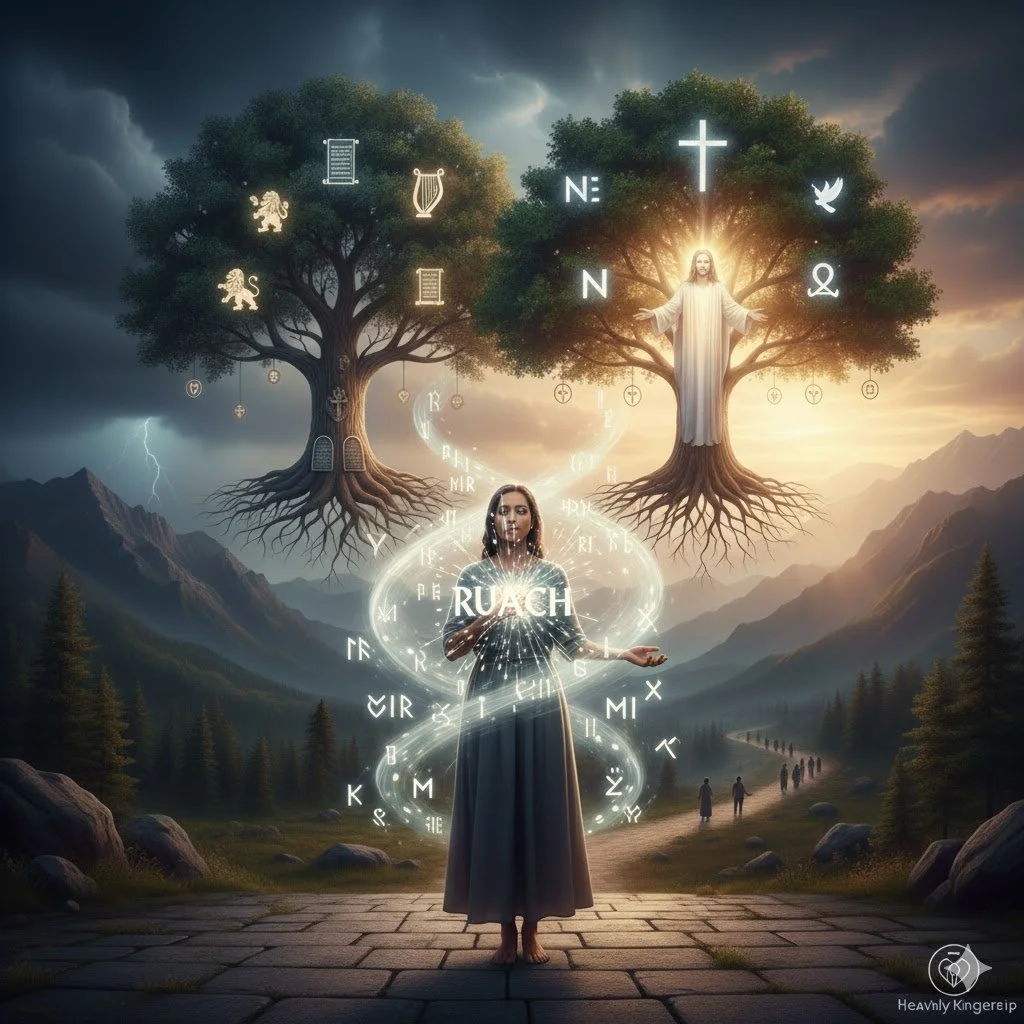
Merry Christmas! 2025 has been a year of traveling, and lots of learning. Tennis, fishing, mobility training along with ongoing growth in wholeness have continued to expand and deepen my soul.
I’ve been wanting to write an updated synthesis of the Bible for quite some time and my discussion with Google’s Gemini helped me compose this summary highlighting the journey from fragmentation (the kings) to integration (Christ), using a framework of emotional health and wholeness. I hope you find it interesting and encouraging in your spiritual growth.
The Trajectory of Wholehearted Leadership
The entire biblical narrative, from the rise of ancient kings to the advent of the heavenly kingdom, serves as a progressive instruction manual on Soul Integration and the Emotional Health required for wholehearted leadership.
The Old Testament presents a lengthy study in Disintegration. The kings' lives—marked by fear, envy, and the desperate need to "armor up" (Saul's paranoia, David's cover-up, Solomon's eventual self-indulgence)—demonstrate that power exercised from a place of emotional depletion and inauthenticity inevitably leads to fragmentation, both in the leader's soul and in the community.
Prophetic Wisdom as Clarity: The prophets acted as courageous truth-tellers, embracing Brené Brown's principle that "Clear is Kind, Unclear is Unkind." Their relentless, sharp communication was not punitive, but a profound act of kindness—a clear, honest intervention designed to halt the nation's self-destructive path and call the leadership back to integrity (alignment of action and soul).
The narrative culminates in the New Testament with Jesus Christ, who embodies the ultimate model of Emotional Wholeness and Integration.
Wholehearted Kingship: Jesus's leadership is characterized by a radical commitment to vulnerability and authenticity. He operates not from a position of control, but from a profound internal wholeness. He chooses a path of service and exposure, demonstrating that true power flows from a grounded, connected internal state. The "King of Kings" teaches that authority is not about domination, but about attunement—being fully present and connected to the needs of others.
The Ultimate Implication: The trajectory toward the "heavenly kingdom" is, therefore, a call to a new state of being. It implores all people, especially those in leadership, to drop the emotional armor, engage in the vulnerability of genuine connection, and pursue the wholeness that comes from aligning one's actions, heart, and spirit with principles of justice, truth, and compassion. The ultimate wisdom is realizing that the health of the community is always a direct reflection of the emotional health and integrity of its leaders.
When you look at the entire Bible, you see a narrative primarily about kings and how they ruled. And from that central focus, it is not far fetched to conclude its purpose is to teach us how not to lead and point us to the way aligned with the creator: a way that creates space for personal growth and development for people to become whole as God is whole.
It’s also important to note the diversity of the Bible’s authors which give us a deep rich perspective of many individuals. For its only when we have many different viewpoints can we get closer to what is true and real.
The Bible starts with a divine Creator who made people in his image. Then it gets into origins of families, tribes and nations that God has relationships with. Laws, infrastructure and rituals are given: a code intended to cultivate an identity revolving around oneness with the Creator through forgiveness of sin.
Much of the Old Testament recorded the Israelites’ evolution from being freed slaves to having their own monarchy and eventually its demise. It is recorded how all the nations leaders failed to cultivate and manifest a people governed by a spirit of wisdom, love, peace and freedom. They were consistently derailed by corrupt, fear based politics.
In the New Testament, we see a person who preached about the kingdom of heaven and healed the multitudes. This kingdom reflected the expansiveness of the sky, creating spaciousness and freedom. This is the true source of love , joy and peace because it works against oppression and fear based loyalties and priorities. The healing this person performed represented what needed to happen for governance to by sky-like. Only when people are made whole will they live, love and lead in and towards freedom.
The entire narrative is intended to foster reimagining of what leadership can be and do. If we use the Bible as it is intended, we should be led to rethink what matters most to be humans who are meant to live and lead according to the divine image. And what matters most is how we exercise power and authority in whatever spheres we find ourselves.
Another interesting thing to note are the wisdom books placed in the center of the canon. These poetic writings exercise the creative and emotive parts of our brain. I believe this to be intentional to balance the often left brain heaviness of most leaders. Without integration of both brain spheres, people will remain stuck in governance that misses wholeness. Most notably is the book of Psalms: a collection of numerous author’s thoughts given to model metacognition. This significance cannot be overstated because it is the gateway to true humility. Creating distance from our thoughts is fundamental to seeing ourselves more clearly so that we might see what is true and real. And this is where we start living according to the kingdom of heaven. From the spaciousness of this practice, we can choose courage, humility and wisdom to cultivate wholeness and freedom.
Without a strong, consistent focus on this big picture of leadership and the purpose of developing soulful, integrative leadership, the Bible is misunderstood, misused and misapplied causing people to remain stuck in smallness, pettiness and chronic dysfunction.
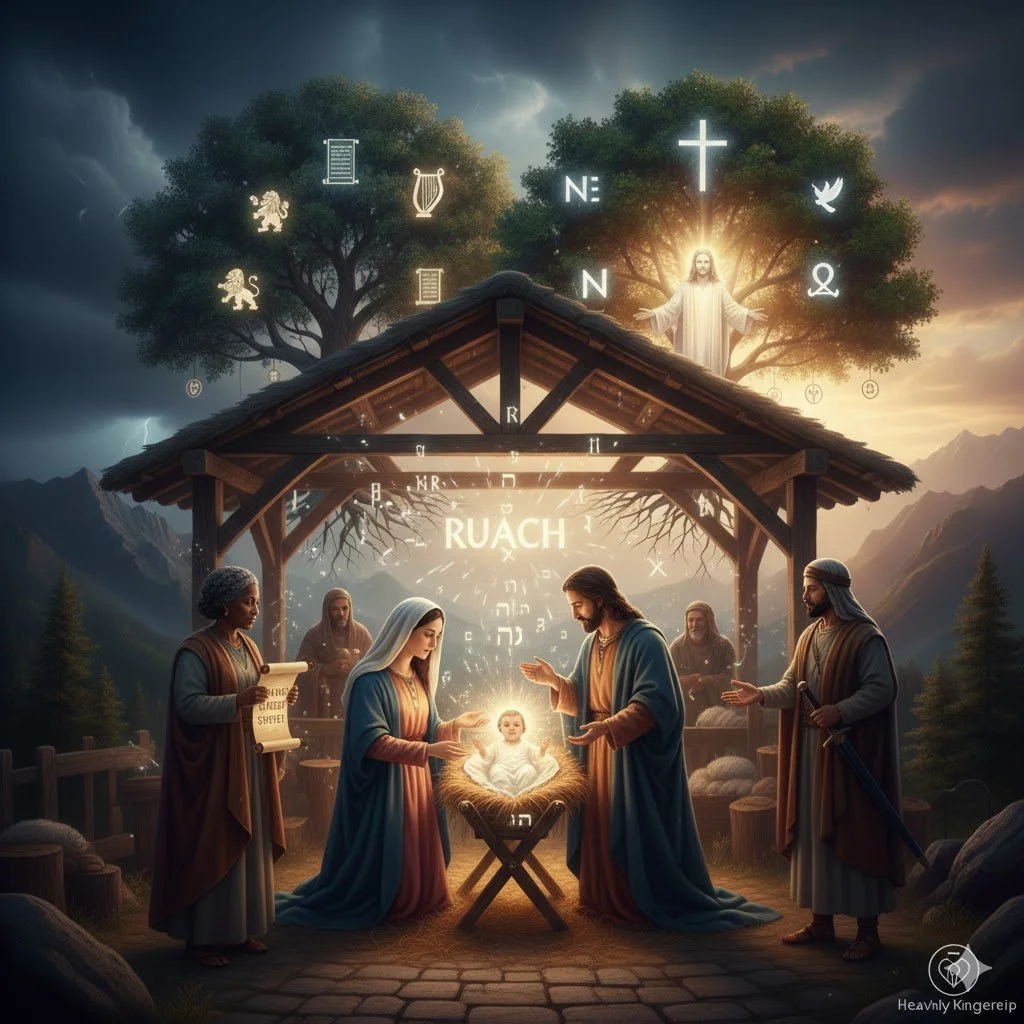
This Christmas, as we contemplate and celebrate the Baby in the manger, may we receive the humility so fully revealed in Christ to be open to new learning that we would progress to “get it right” rather than stay stuck believing “we are right.” The source of Christmas is wholeness. The trajectory of Christmas is wholehearted leadership. The result of Christmas is a life filled with spirit (the invisible life force, energy, animation of existence).